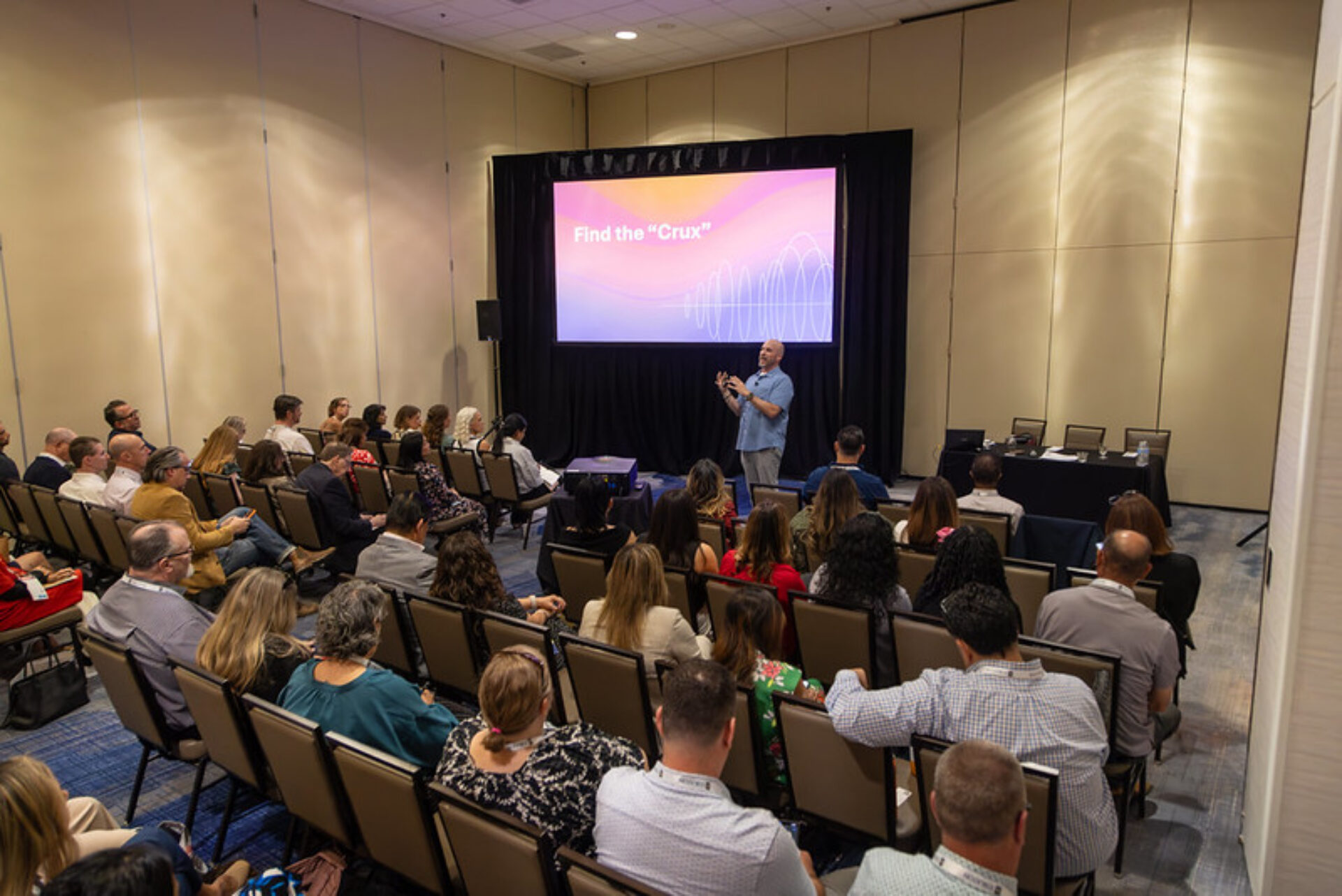
Andrea Hunt, Director of Business Development at Compass Associates, shares her key takeaways and learnings from the LeadingAge Bold conference California.
I recently attended LeadingAge BOLD in Palm Desert, California, representing Compass Associates.
Compass Associates offer award-winning recruitment services for the Senior Living, Healthcare and Behavioral Health sectors. With a proven track record across high-volume projects, strategic hires, team mobilizations, and sensitive transitions such as business sales or listings, we tailor our approach to your unique goals.
LeadingAge has long been a voice for elders in the nonprofit and not-for-profit senior living and elder care space, and this year’s conference gave me a lot to sit with.
Leaders in this space are carrying a heavy load right now. There was extensive discussion around the recent Medicaid cuts and the ongoing healthcare worker shortage. Behind the scenes, leaders are working with legislators almost daily just to make sure our elders are taken care of. That takes a tremendous amount of fight, and a tremendous amount of energy.
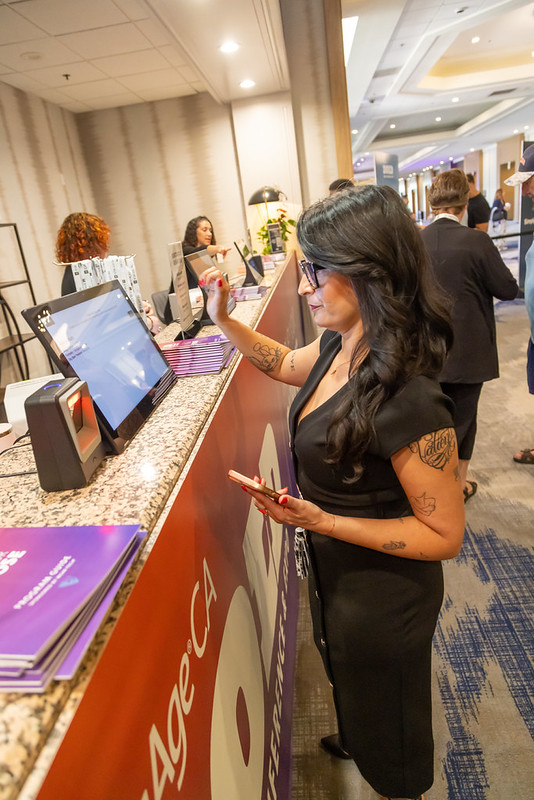
Is all the buzz around AI distracting us from where our real focus should be?
At the conference, there was an abundance of conversation surrounding AI. Workforce shortage was the real undercurrent of the conference, yet those were the sessions with the emptiest seats. That feels like a missed opportunity to actually understand what’s happening in the minds of our frontline workforce.
Aging at home has always run neck and neck with senior living, and the numbers back it up: 89% of seniors say they’d prefer to stay home. Honestly, can we blame them?
Economist Ron Hetrick gave what was probably the most sobering talk of the conference, opening with a simple but heavy question: “How will we get the work done?” The reality is that our workforce is shrinking, and we’re already behind. A few things are driving it. Nurses and healthcare workers are retiring at scale. Roughly 20% of all healthcare workers in the U.S. are foreign-born, and recent shifts in immigration policy mean another 800,000 to 1 million of them may soon leave the workforce entirely.
What does that tell us? We have an abundance of degreed young people and a shortage of people learning trades or going to nursing school. We’re not short on unemployed people – We’re short on people.
Senior Care Nurses are the most in-demand job posting in 49 of 50 states.
So what does this mean for elder care? It raises some hard questions. If we build more communities, can we actually staff them? Skilled nursing facilities are projected to lose 44,000 more workers by 2034. Home health alone has a net need of 58,000 additional workers. And the U.S. birth rate keeps declining, shrinking the future labor pool even further. So what are the answers? According to Hetrick: immigration, hiring innovation, globalization, and automation.
Another major theme was the shift from lifespan to healthspan. The more conventional model of senior living centered on maintenance, with less emphasis on wellness. But Boomers are the wealthiest generation to enter senior housing, and they’re living longer, healthier lives with a different set of expectations.
There’s a growing desire for independence, belonging, and genuine wellness integration in communities. Residents want spaces where they feel they truly belong. Many of these values, active living, multigenerational connection, communal belonging, have long been cultural norms elsewhere in the world. It seems the silver tsunami is craving the same thing.
And yet, the sessions on workforce mindset and frontline hiring were among the least attended.
Shan Fiske of Gallagher led a standout session on workforce resilience, noting that community leaders are now managing five generations of staff under one roof. Caregivers are burned out. So are nurses. What staff need most right now is empathy and to feel genuinely appreciated. The old “this is how we’ve always done it” approach doesn’t resonate with Gen Z. But there’s something Gen Z can take from the generations before them: it’s not what you ask of someone, it’s how you ask it.
Adam Robinson of Hireology led a session on what’s actually shaping today’s long-term care applicant. We hear it constantly: no one wants to work. But is that true, or do people simply not want to work for you? Senior living has a responsiveness problem. With so many automation tools available today to handle hiring outreach, there’s little excuse for candidates to slip through the cracks.
Adam framed it well: did the candidate not show up, or did you not follow up? Did it take two days to respond to their application? In that window, that frontline worker likely already accepted an offer from a competitor who moved faster. Doing things the way they’ve always been done tends to produce the same results we’ve always gotten.
Here’s a number worth sitting with: 98% of texts get read, compared to just 30% of emails. The takeaway isn’t that people don’t want to work. It’s that they don’t want to work for organizations that don’t value their time or respond when it counts. We no longer have the luxury of an endless, disposable talent pool. When we have good people, keeping them has to be a priority. Our residents depend on it.
Back to AI. There was so much conversation about it, nearly as much as the conversation about the workforce shortage itself. From my seat as a talent acquisition professional, it felt a bit like avoidance. AI is the shiny new tool, but few people are asking the harder question: why do we have a workforce shortage, and how do we, as leaders, properly train and onboard the people we do have? This is still a human business. This generation grew up immersed in technology, not face-to-face interaction, and if we want them to communicate effectively in person, AI isn’t going to teach them that. It can automate. It can simplify. But it will never replace real mentorship.
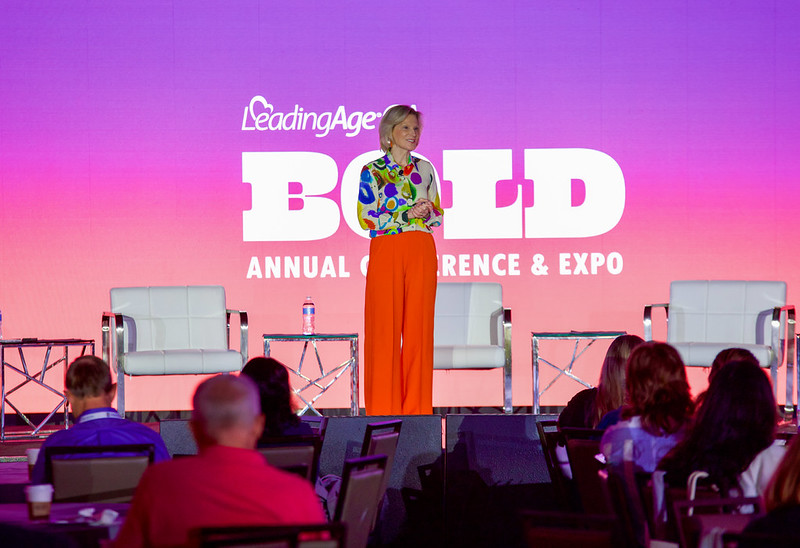
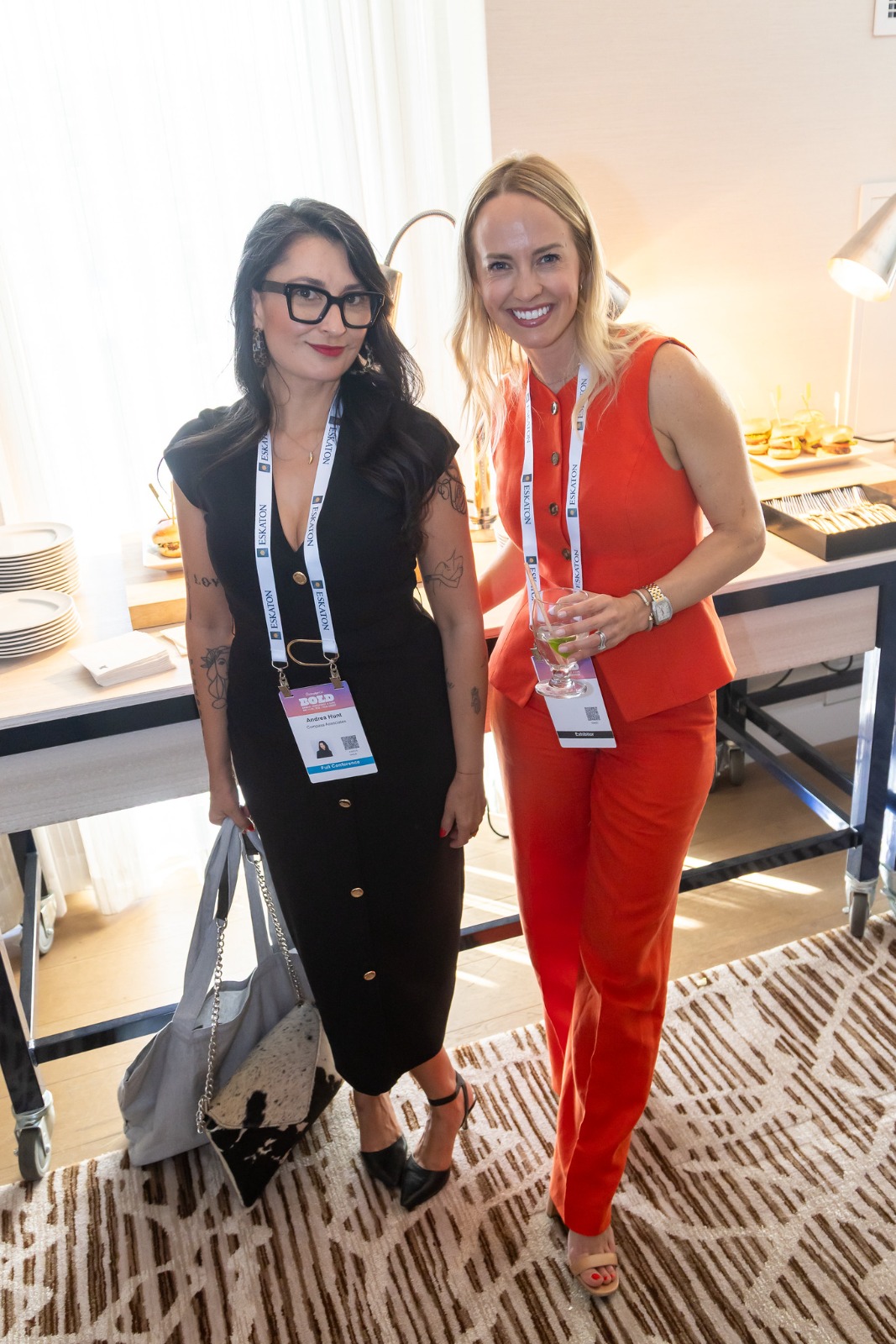
All of this raises one more question: how does it impact recruitment in this industry?
That’s the conversation no one was having. There wasn’t a single session on executive search. And continuing to do what we’ve always done will keep getting us exactly what we’ve always gotten, which, by most accounts, isn’t working.
This is where I come in.
I see it as my responsibility to be part of the change this industry needs, change that’s overdue.
That starts with education. It’s on me to help organizations understand the value of partnering with a recruiter who genuinely has their best interest at heart, not one who’s just sending resumes to fill a quota.
Elder care leaders have an enormous amount on their plates, more now than ever in this climate. I want to help make sense of it. Yes, there’s a fee attached to executive search. But if spending upward of $50K a month on agency staffing, while promoting an underprepared internal candidate into a struggling executive director role, still feels like the more affordable option compared to investing in the right leader who can actually stop the bleeding, I likely won’t be able to change your mind.
But if you’re open to looking at the data, the numbers, and working with someone who genuinely puts your organization and your residents first, I’d welcome the conversation.
There’s a lot more to say about executive search, about how the right leadership placement changes outcomes, and about the long-term value of investing in leaders rather than just filling seats. I think it’s a conversation worth having on a bigger stage. Maybe even at a conference.
Leaders in this space are going through a lot. I see it. Internal talent acquisition teams are stretched thin and, in many cases, drowning.
Me and my team at Compass Associates are here to help.
Register a vacancy Read our Case Studies
Andrea brings extensive expertise and a strategic, relationship-focused approach to recruiting within the senior living, assisted living, and Continuing Care Retirement Community (CCRC) sectors. She has successfully partnered with organizations to place senior-level talent across a wide range of leadership positions, including Executive Directors, Sales Directors, Regional Vice Presidents, Vice Presidents of Operations, and C-suite executives. This breadth of experience provides her with a deep understanding of both community operations and executive leadership.
Recognized for delivering customized talent solutions that foster long-term organizational success, Andrea is a trusted partner for senior living operators nationwide, helping them identify and secure the high-caliber leaders needed to achieve their strategic goals.
Looking for support?