
Reflections from the LifeSpan 2026 Annual Conference in Ocean City, MD
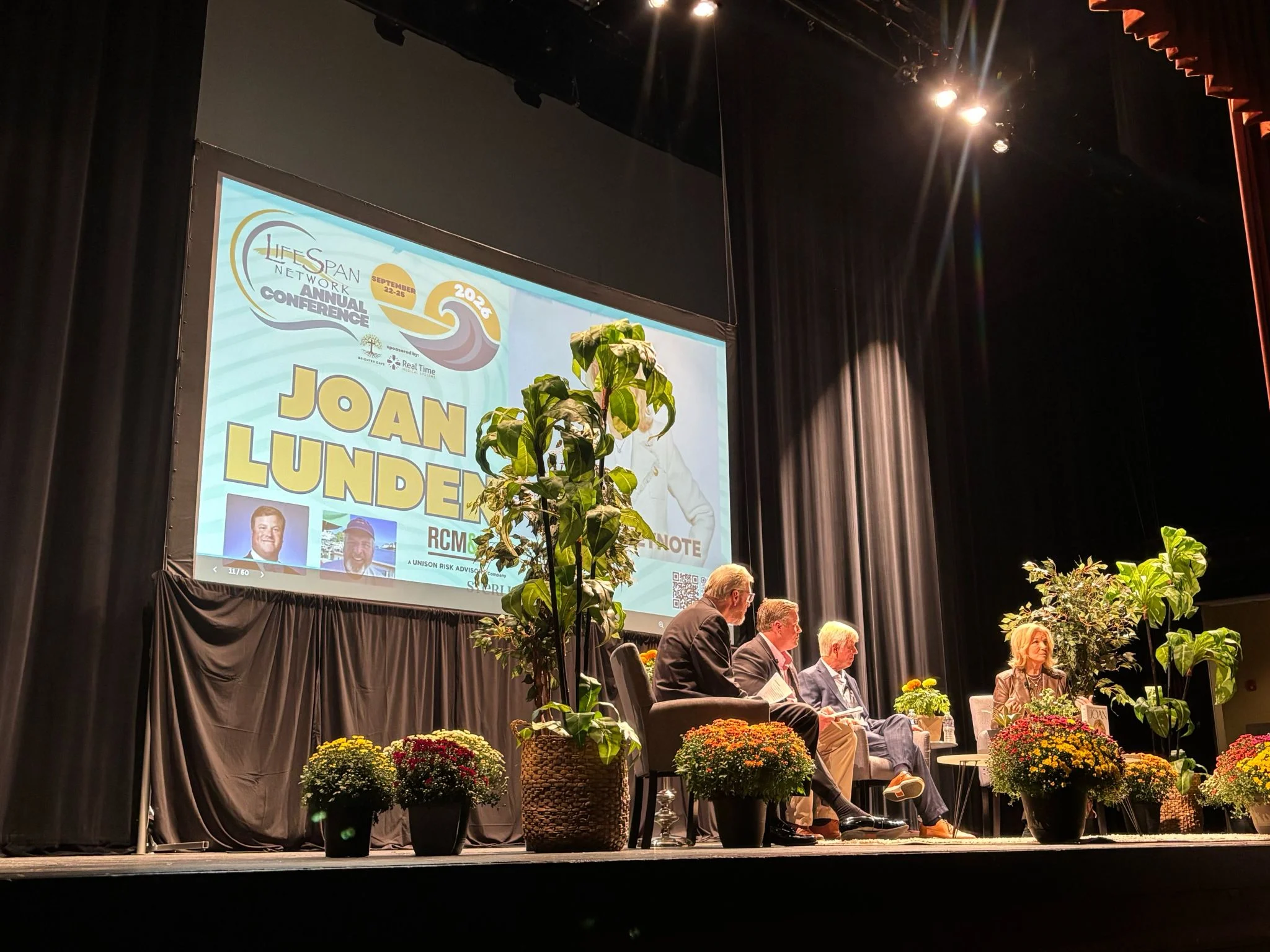
‘Small but mighty’. That was my takeaway from the LifeSpan 2026 Annual Conference last week in Ocean City, Maryland.
From the moment I arrived, the LifeSpan team welcomed me warmly at check-in, and I was handed an autographed book written by keynote speaker Joan Lunden, formerly of Good Morning America. A nor’easter was bearing down on the coast, and the weather was gray and rough, but it did nothing to dampen the mood. The people were open, generous, and engaged.
The program matched the atmosphere. It leaned into what matters most and what is needed most: people.
The Push and Pull Between Generations
There is a push-pull in senior living between the veterans of the field and the newer people entering it. Many longtime leaders built their careers on long hours and personal sacrifice, and some believe everyone should do it the same way because they did. The newer generation watched that play out, saw the burnout and diminishing returns, and said: nope.
This is happening across nearly every industry. So why does it matter so much in elder care?
Because, historically, we’ve done some of this to ourselves.
As a recruiter in this space, I have often had to push hard to get a hiring manager or VP of Operations to even look at a candidate from outside the industry who genuinely wants to work in senior living. I’ve heard every reason why they won’t. What it usually comes down to is a lack of education, training, and mentoring for someone new to our field.
Our industry is demanding, delicate, and ever-changing. That is all the more reason to build the bandwidth to train people from other industries. We can’t keep doing things the way they’ve always been done. LifeSpan’s sessions on internships, externships, mentorships, and apprenticeships pointed the same way, with a reminder worth repeating: people work for people.
The Numbers Make the Case
Resident acuity is higher than it was twenty years ago, according to NCAL’s LaShuana Bethea, which means more hands are needed to meet residents’ needs. The data explains why many sessions returned to staffing:
- The need is large. NIC Analytics projects that senior housing and skilled nursing will need roughly 660,000 additional workers across four core occupations by 2033. Nursing assistants make up the biggest share (+316K), followed by care aides (+159K), LPNs and LVNs (+108K), and registered nurses (+80K).
- Housing demand is growing alongside it. NIC MAP data indicates the industry would need more than 609,000 new units by 2030 to keep pace with demand, against a current development pace of about 26,000 units a year.
- Recovery is uneven. Since February 2020, assisted living employment has grown 11.9%, while nursing home employment remains flat at 0% (Bureau of Labor Statistics, through June 2026).
- Turnover is costly. One presenter estimated that a 100-person facility with 30% annual turnover could spend roughly $510,000 a year, or about $17,000 per departure, once recruiting, onboarding, temporary staffing, and overtime are counted.
What LifeSpan Got Right: People, Numbers, and No-Nonsense Solutions
So what does this have to do with the conference? A lot. LifeSpan focused on the people, the data, and practical solutions, not the shiny new penny of AI.
The solutions, in short, come down to everyone playing nicely in the sandbox. Different generations now work under one roof, and the industry has changed. That means:
- Embrace the tools candidates already use. Speakers noted that 85% of applicants apply from their phones, and that texting is no longer unprofessional. It’s expected.
-
Move faster. Communication is often lacking and response times are too slow. Leaders no longer have the luxury of the pick of the litter, and new hires are expected to make up roughly 75% of the workforce within three years from Millennials and Gen Z, who expect a quick reply and will move on without one. It’s long overdue for leaders to speed up their response times and streamline interviewing and onboarding.
- Keep recruiting after the offer. Post-and-pray is fading, and the best organizations keep nurturing new hires from the day they accept.
- Look beyond pay. Compensation still leads what job seekers say attracts them (62.2% in Workable’s 2023 survey), but career growth (38.1%) and flexibility (37.5%) followed close behind.
The economy is too demanding to wait. It’s not twenty years ago, or ten, or even two. When a candidate applies or an executive leader is in an interview process, speed and communication are everything. It can be the difference between residents receiving the care they need – or not. For that, we are all responsible.
Leadership Sets the Tone
Jennifer FitzPatrick’s session asked how senior care can avoid being disrupted the way Uber disrupted taxis and Airbnb disrupted hotels. Her answer started with leadership, and with organizations willing to accept that consumers now want more options than traditional assisted living. She also offered a line worth repeating: “The First Customer Is The Staff.”
The Conversation That Wasn’t on the Agenda
Across three days, one topic came up rarely: executive search.
Yet the pressures the industry is discussing, including turnover, culture, growth, and regulatory change, land squarely on the leaders responsible for them. In conversations with operators, I heard that leadership hiring often relies on job boards and personal networks, and that organizations taking on new buildings need help finding leaders quickly. On the East Coast, the conversation of partnering with an external executive search team was met with genuine openness. That’s a good start.
This is what set LifeSpan apart. There was no sugarcoating and no distractions, just a clear look at how things need to be done and how each of us has a hand in how the industry continues to change.
Does your organization need guidance or support with a leadership search?
I understand the pressures, and I’m here to help. Let’s chat.
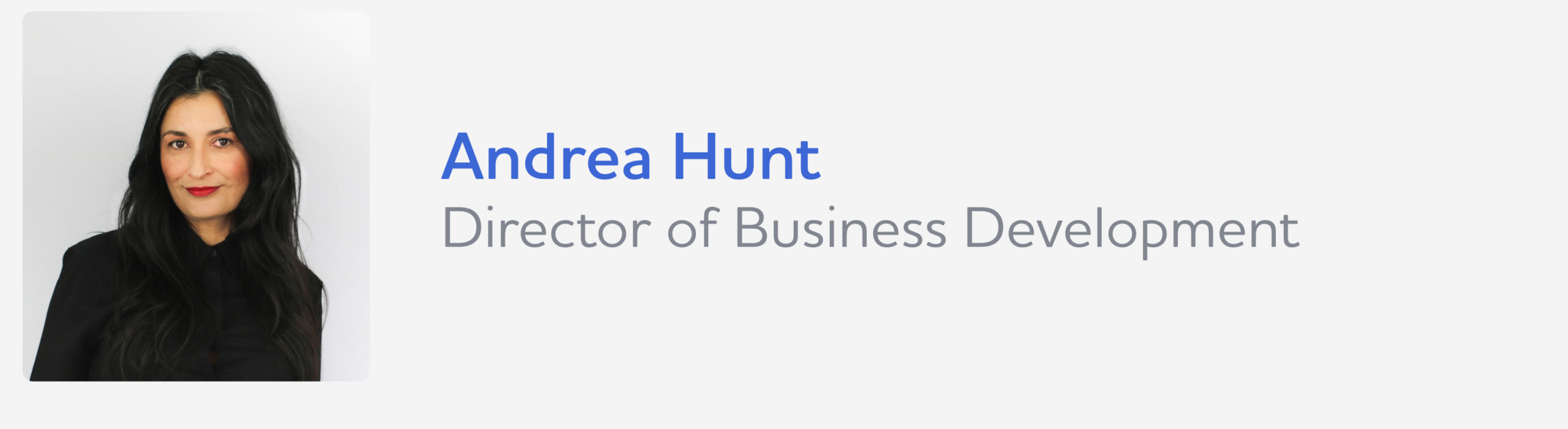
Andrea brings extensive expertise and a strategic, relationship-focused approach to recruiting within the senior living, assisted living, and Continuing Care Retirement Community (CCRC) sectors. She has successfully partnered with organizations to place senior-level talent across a wide range of leadership positions, including Executive Directors, Sales Directors, Regional Vice Presidents, Vice Presidents of Operations, and C-suite executives. This breadth of experience provides her with a deep understanding of both community operations and executive leadership.
Recognized for delivering customized talent solutions that foster long-term organizational success, Andrea is a trusted partner for senior living operators nationwide, helping them identify and secure the high-caliber leaders needed to achieve their strategic goals.
Looking for support?